The Vatican Museums are the most visited museums in the world after the Louvre — and one of the most frequently visited badly. Without preparation, the experience can be overwhelming, physically exhausting, and strangely empty of meaning despite the extraordinary quality of what you're seeing. This is how to visit the Vatican well.
The Vatican Museums queue in summer regularly reaches 3 hours — standing in the sun outside a long wall with no shade. Skip-the-line tickets give you a reserved entry time and direct access through the reserved entrance. Book at least 3 weeks ahead in summer on the official website (museivaticani.va) or via GetYourGuide.
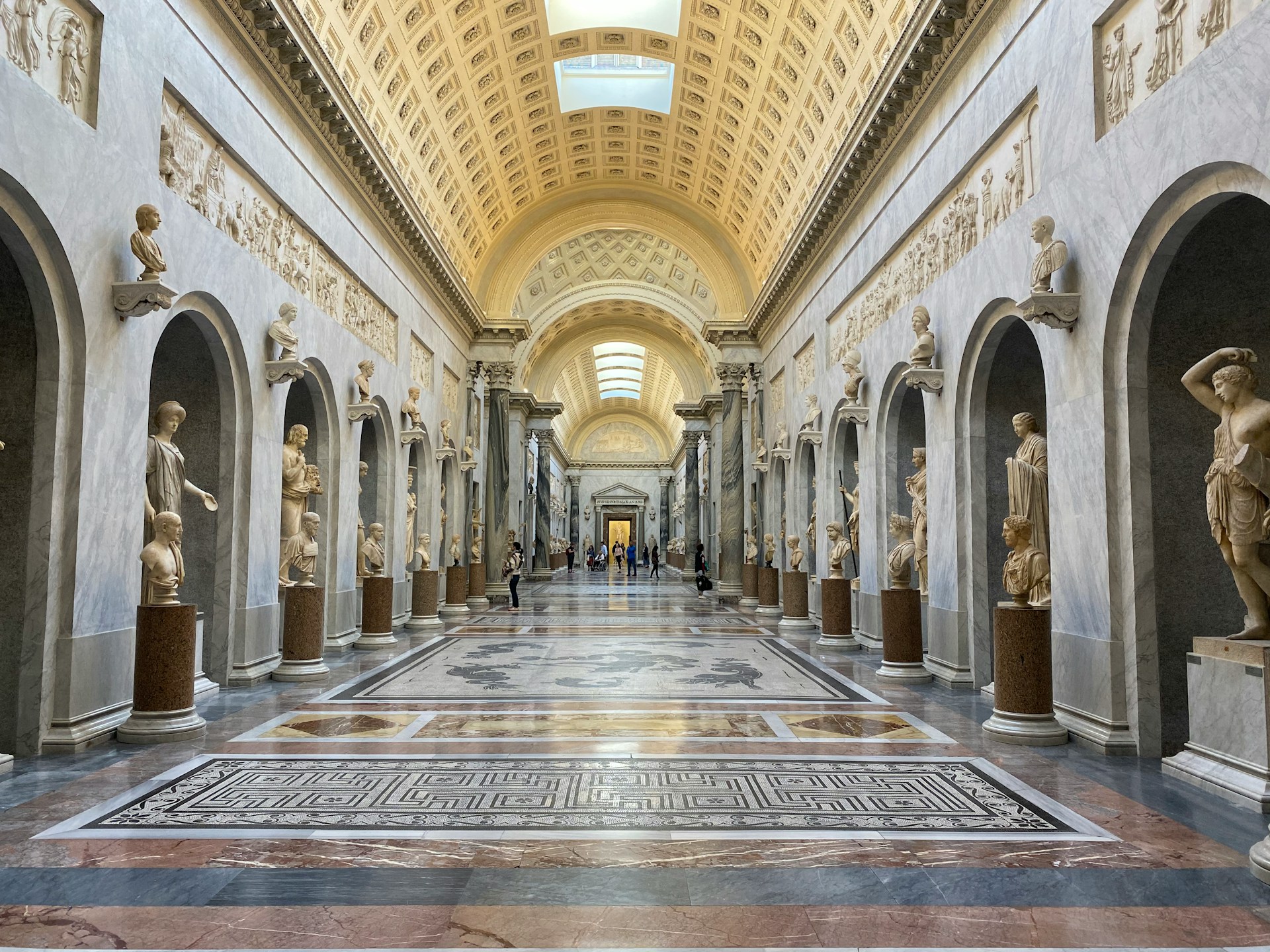
The Vatican Museums open at 9am and the first hour is categorically the best time to visit. The Sistine Chapel at 9:15am has perhaps 50 people in it; by 11am there are 500. The Monday morning opening is the quietest of the week — tour groups typically prefer other days. If you can only arrive once, make it Monday at 9am.
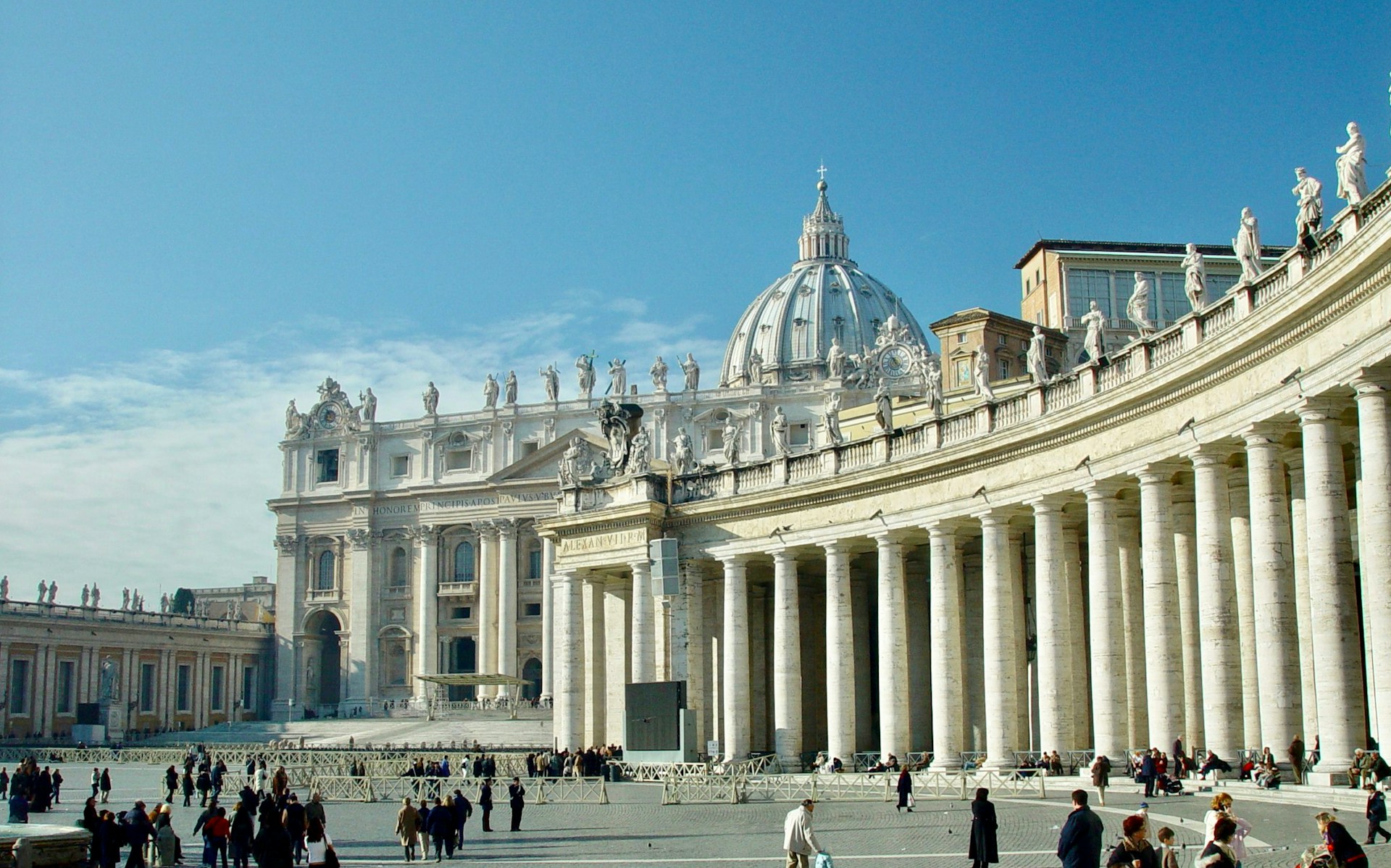
The most underrated room in the Vatican — 40 enormous frescoed maps of Italy covering the full length of the gallery, commissioned by Gregory XIII and painted between 1580 and 1583. Most tour groups walk through it in 3 minutes without looking up. Slow down, look at the detail, and you'll find the most technically extraordinary decorative programme in the entire museum.
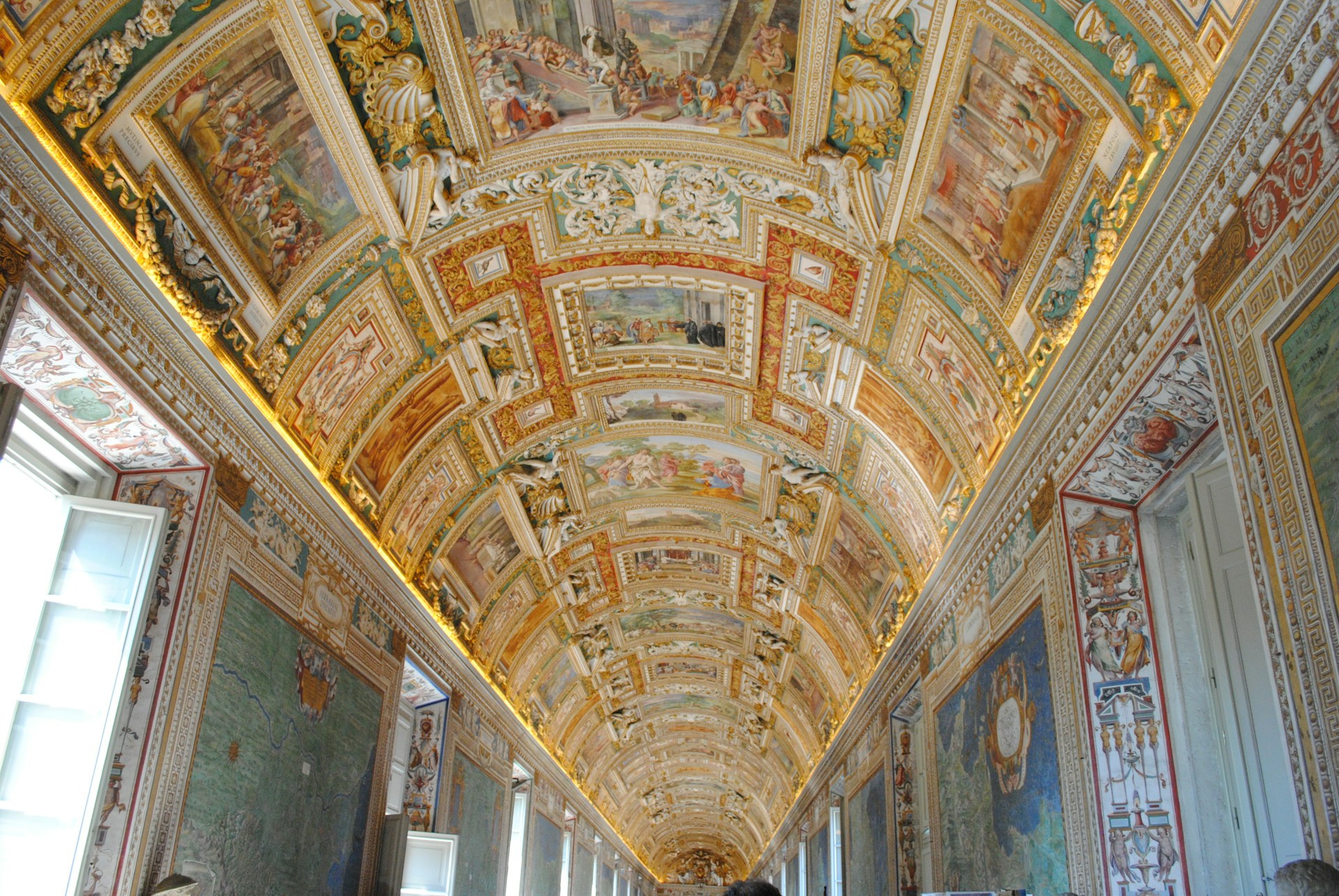
Four rooms painted by Raphael for Pope Julius II between 1508 and 1520 — the greatest decorative programme of the High Renaissance. The School of Athens (Room of the Signature) is the most famous: a gathering of the great philosophers of antiquity in a imaginary classical building, with Michelangelo's portrait added as Heraclitus when Raphael saw the Sistine ceiling in progress.
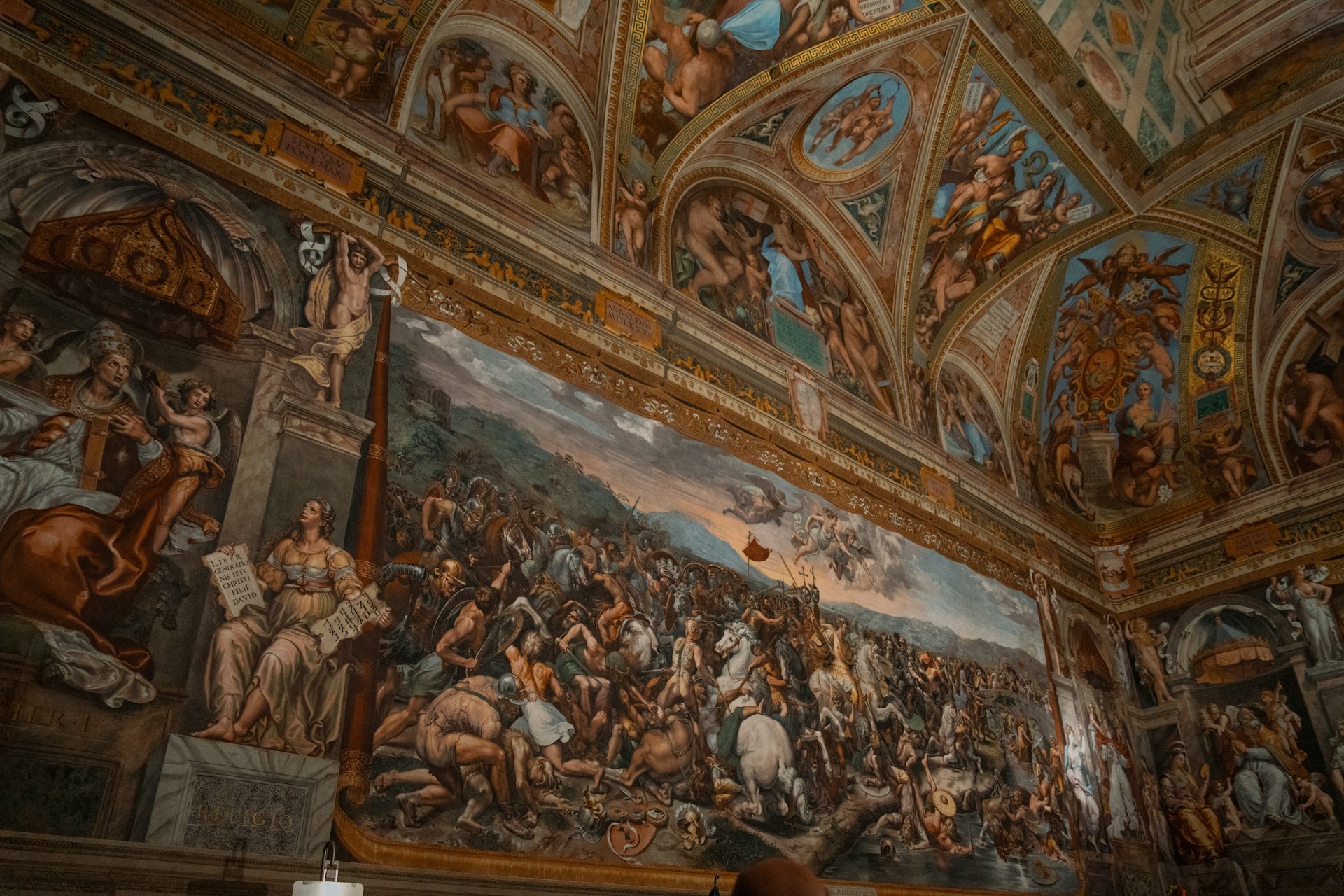
The ceiling was painted by Michelangelo between 1508 and 1512 — lying on scaffolding, painting wet plaster, covering 500 square metres with 300 figures. The Last Judgment on the altar wall was painted between 1536 and 1541, 24 years later, when Michelangelo was in his sixties. The chapel is also a functioning place of papal election — the Conclave takes place here.
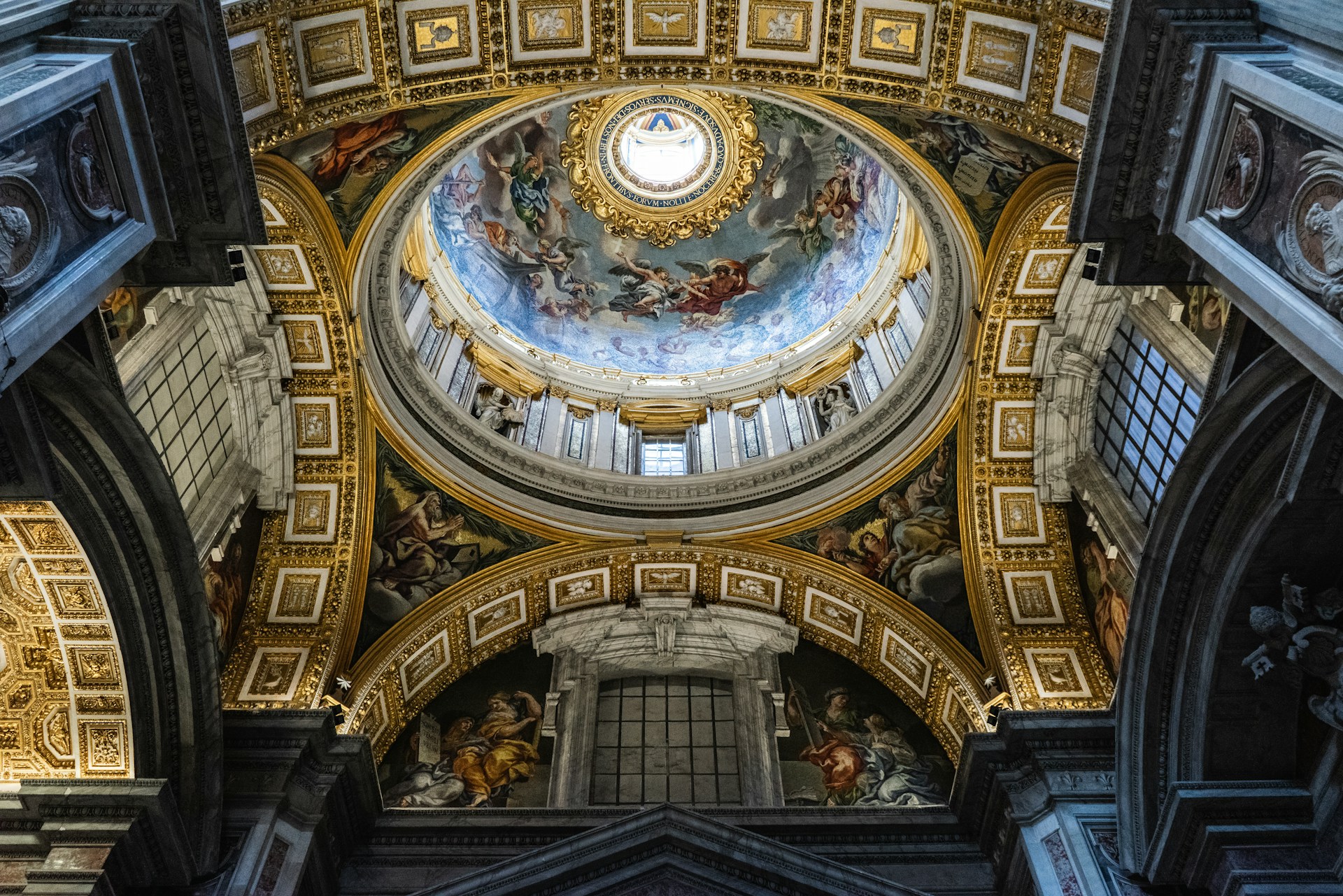
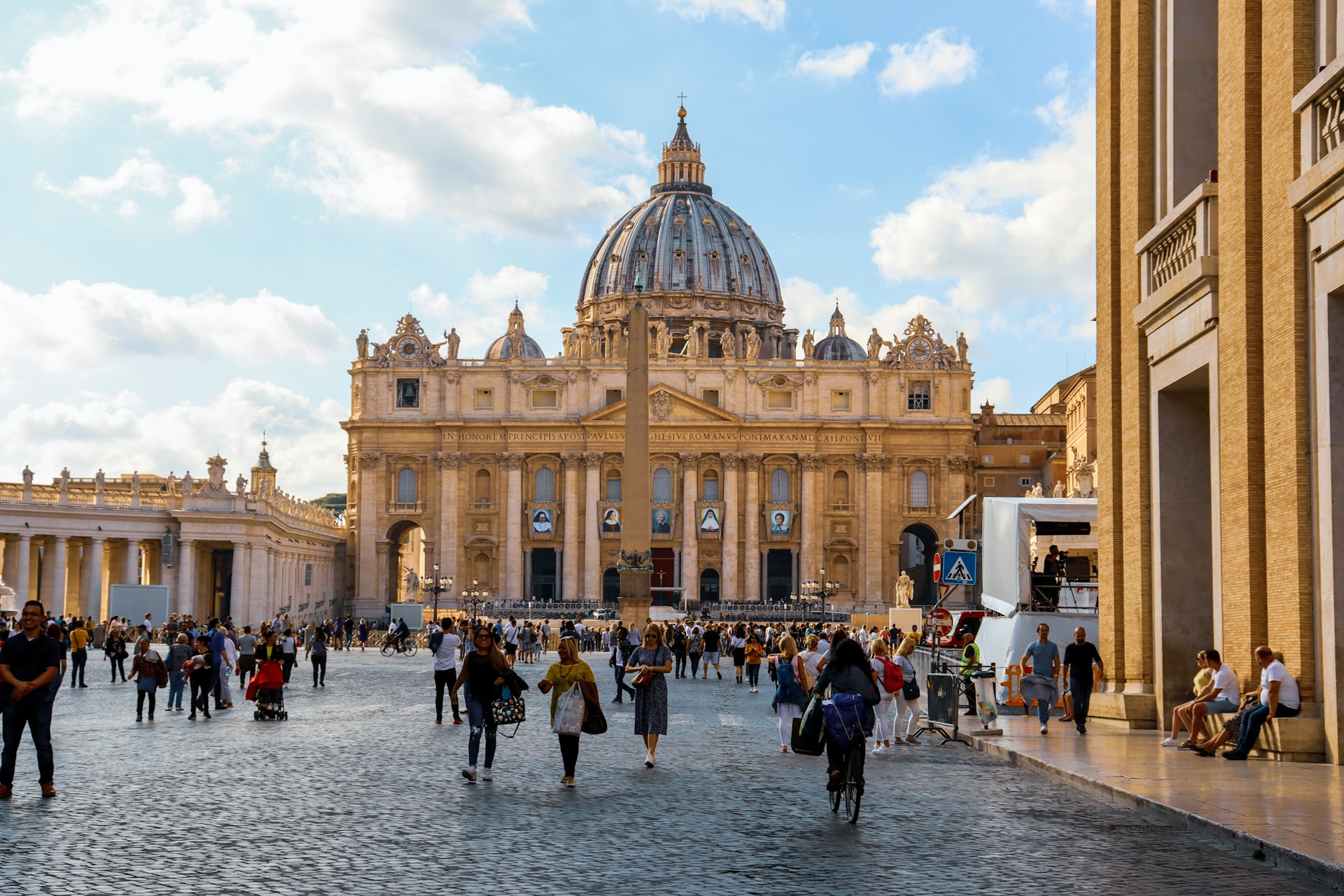
The largest church in the world is free to enter — and extraordinary. Michelangelo's Pietà (1499) is in the first chapel on the right: carved when Michelangelo was 24, it is the only work he ever signed. The dome — also designed by Michelangelo — can be climbed for one of the finest views over Rome (elevator or 551 steps). Covered shoulders and knees are required.
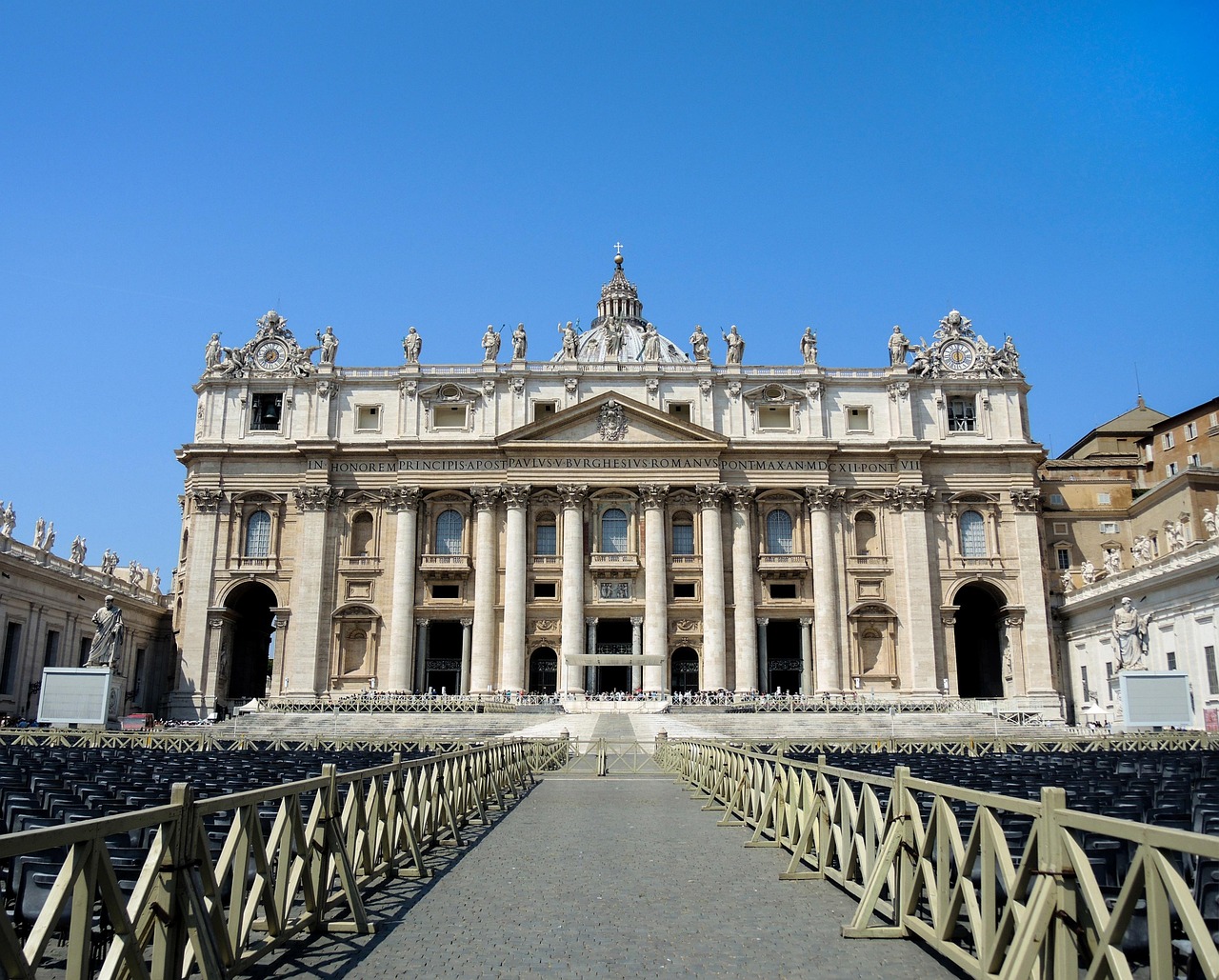
The Vatican enforces its dress code strictly — covered shoulders and knees are required to enter the Sistine Chapel and St Peter's Basilica. People are turned away every day for wearing shorts or sleeveless tops. Pack a light scarf in your bag that can cover bare shoulders; it takes 10 seconds and saves an enormous frustration.
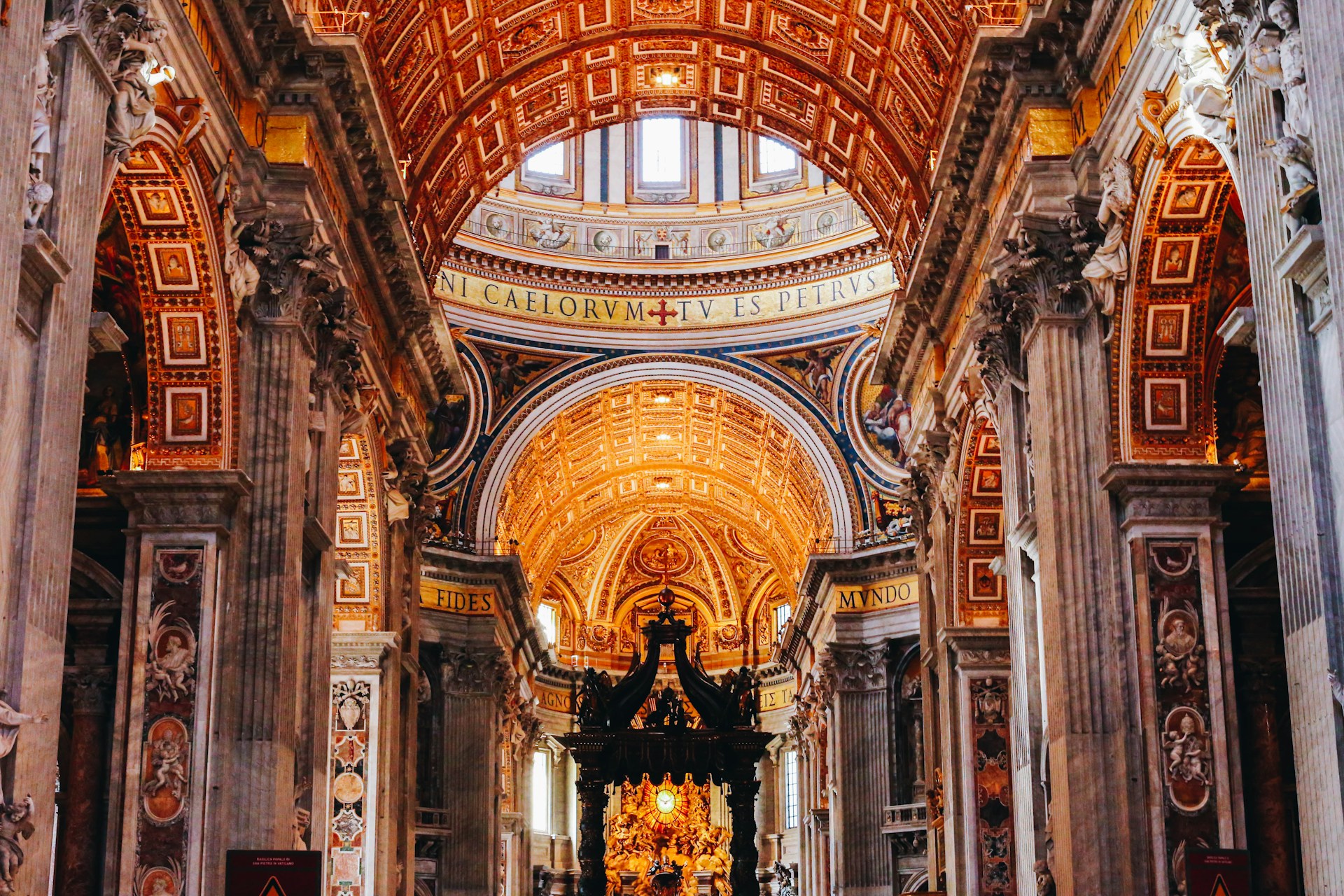
The Vatican Museums contain one of the greatest art collections in human history — but without context, the experience can be overwhelming. A guided tour that covers the Egyptian collection, the Gallery of Maps, the Raphael Rooms, and the Sistine Chapel in three and a half hours gives you the framework to understand what you're seeing. The difference in comprehension is enormous.