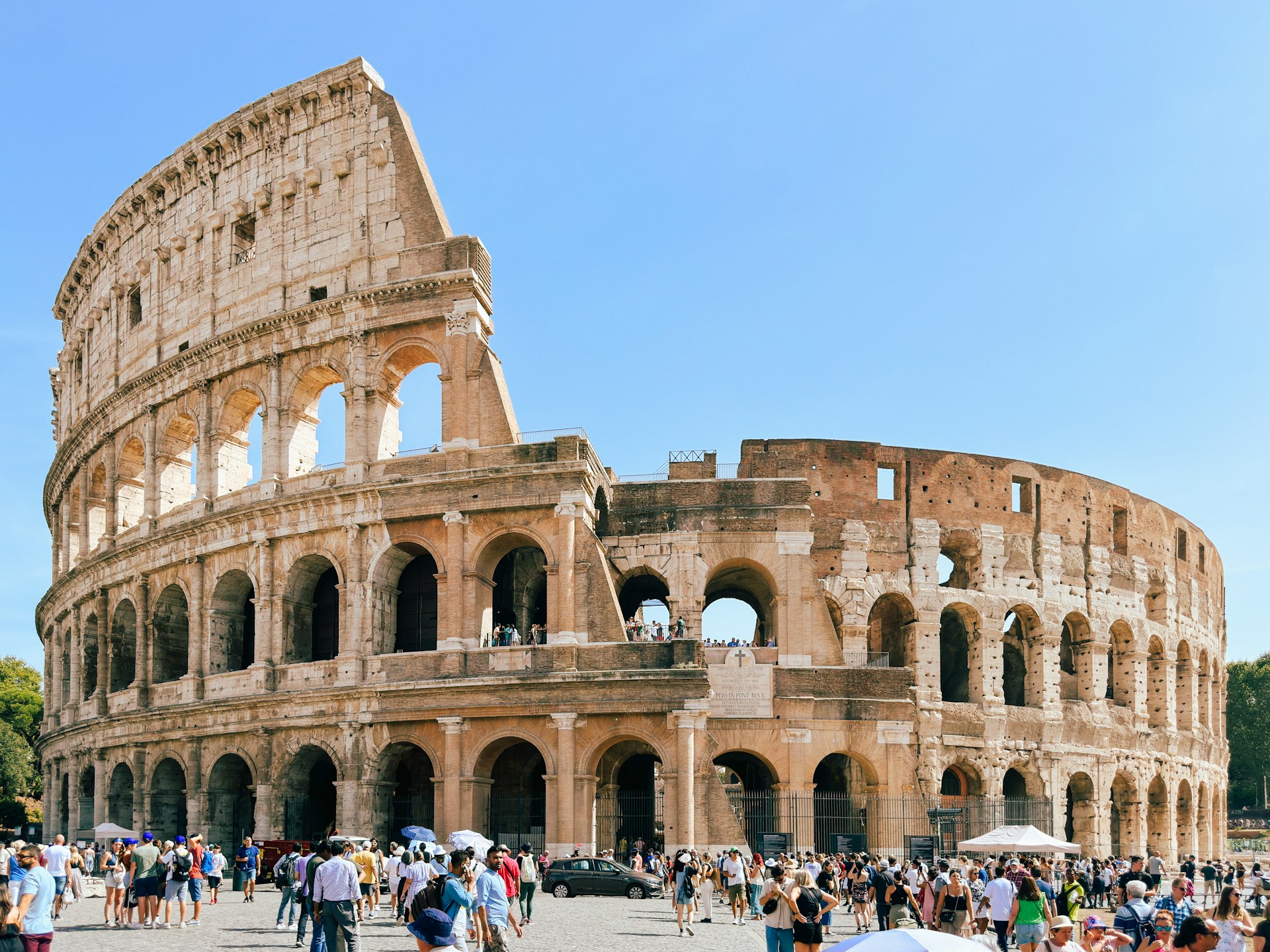
The Colosseum is the greatest monument of the ancient world — a 50,000-seat amphitheatre completed in 80 AD, still standing nearly 2,000 years later, and still capable of making every single person who enters it fall silent. This is the complete guide: what to book, when to visit, what to see, and what most visitors never learn.
In summer, the standard queue for the Colosseum can reach 3 hours. Skip-the-line tickets give you a reserved timeslot and direct entry — bypassing the queue entirely. Book at least 2 weeks ahead in summer, 1 week at other times.
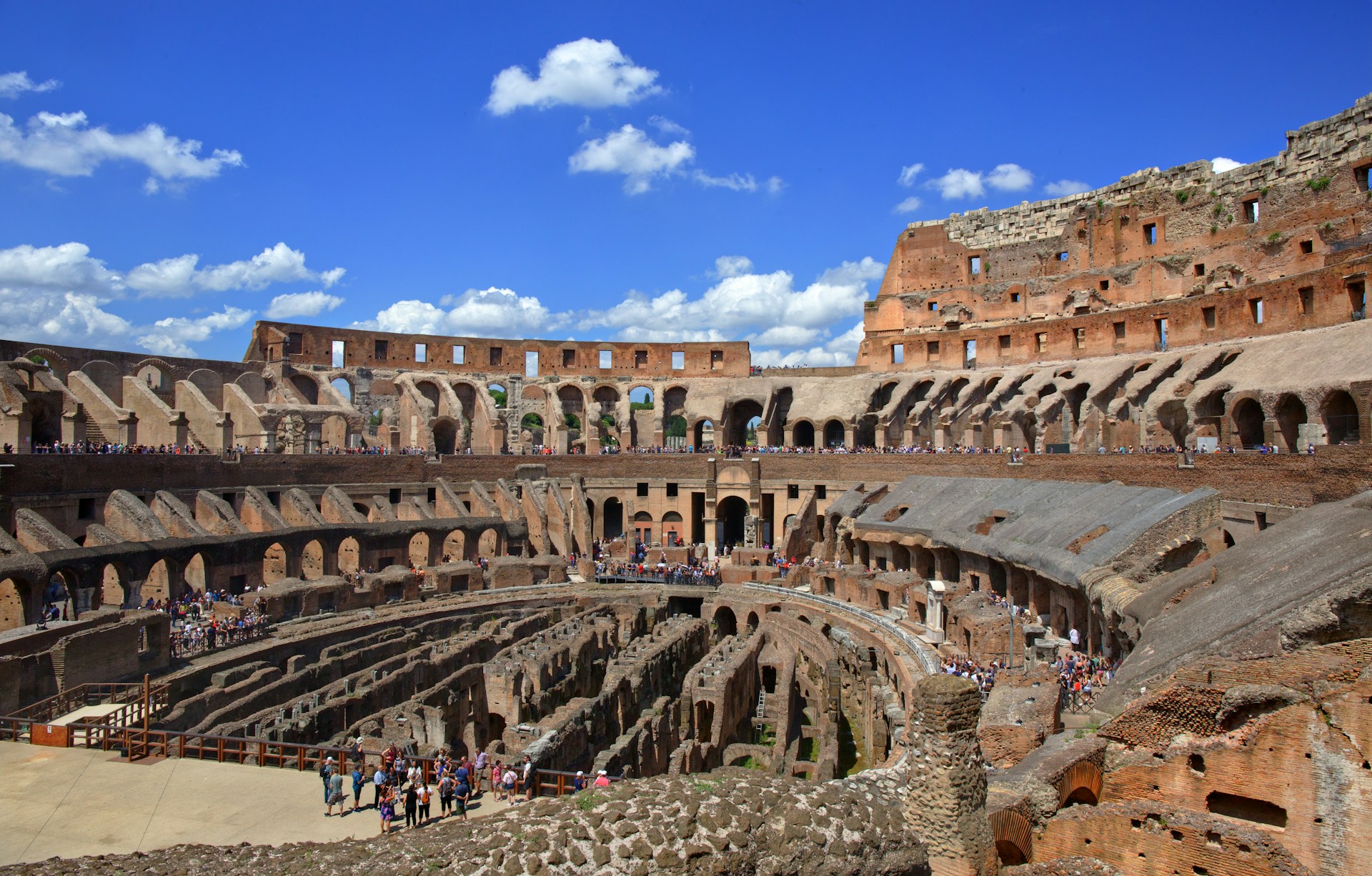
The arena floor — the wooden structure that covered the hypogeum (the underground network of tunnels and cages) — no longer exists, but a partial reconstruction lets you stand at the level where gladiatorial combat took place. This add-on ticket is worth every euro and significantly changes the emotional experience of the visit.

The Colosseum ticket includes the Roman Forum and Palatine Hill with 48-hour validity — one of the best value combinations in European tourism. The Forum was the civic heart of ancient Rome: temples, basilicas, the sacred road of triumphs. Walk it early morning before the crowds arrive. The atmosphere is extraordinary.
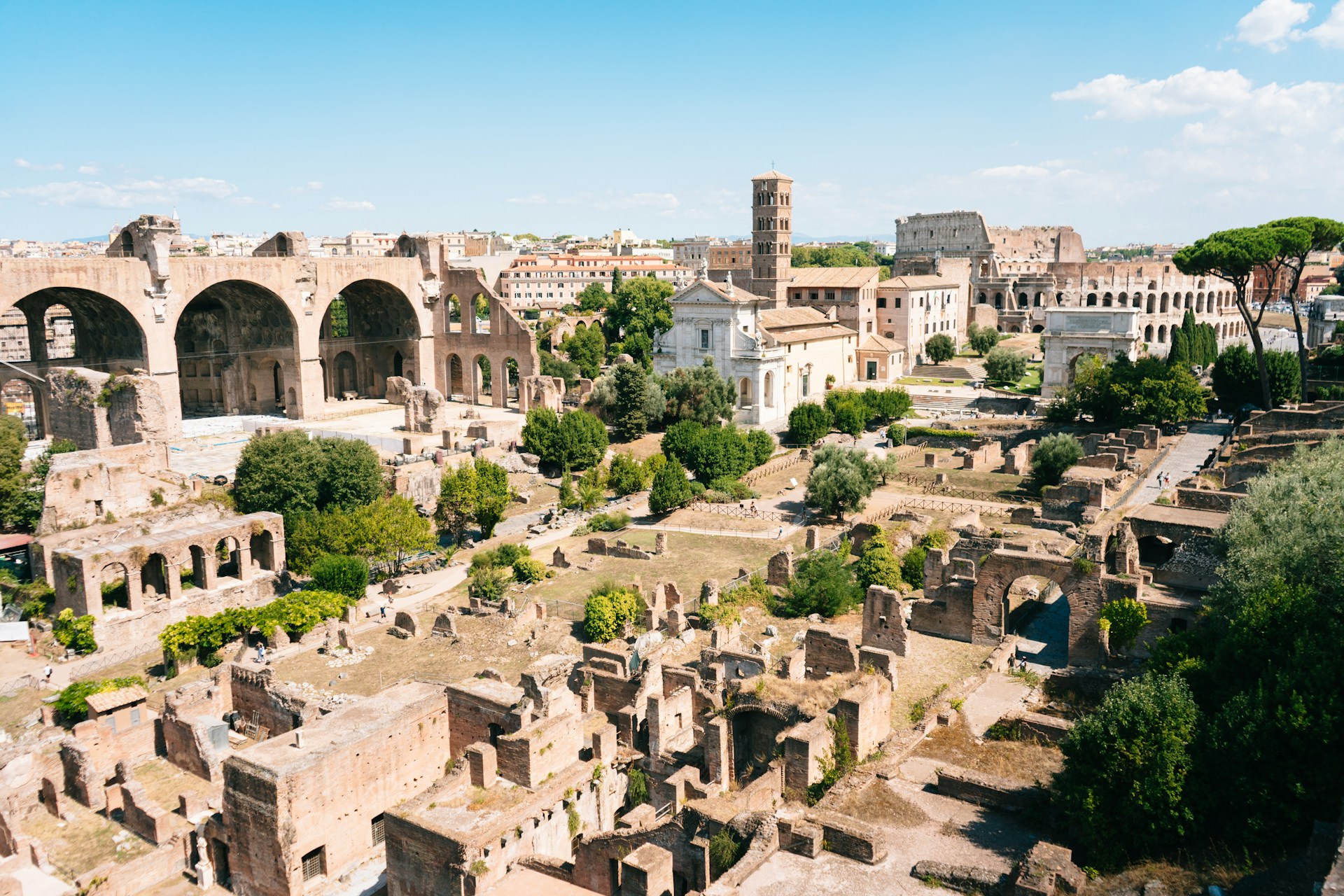
The hill where Rome was founded, where Romulus built the first settlement, and where the emperors subsequently built their palaces. The views from the top over the entire Forum are the best in the city — and Palatine Hill is dramatically less crowded than the Forum below. Save it for last; it rewards those who make it.
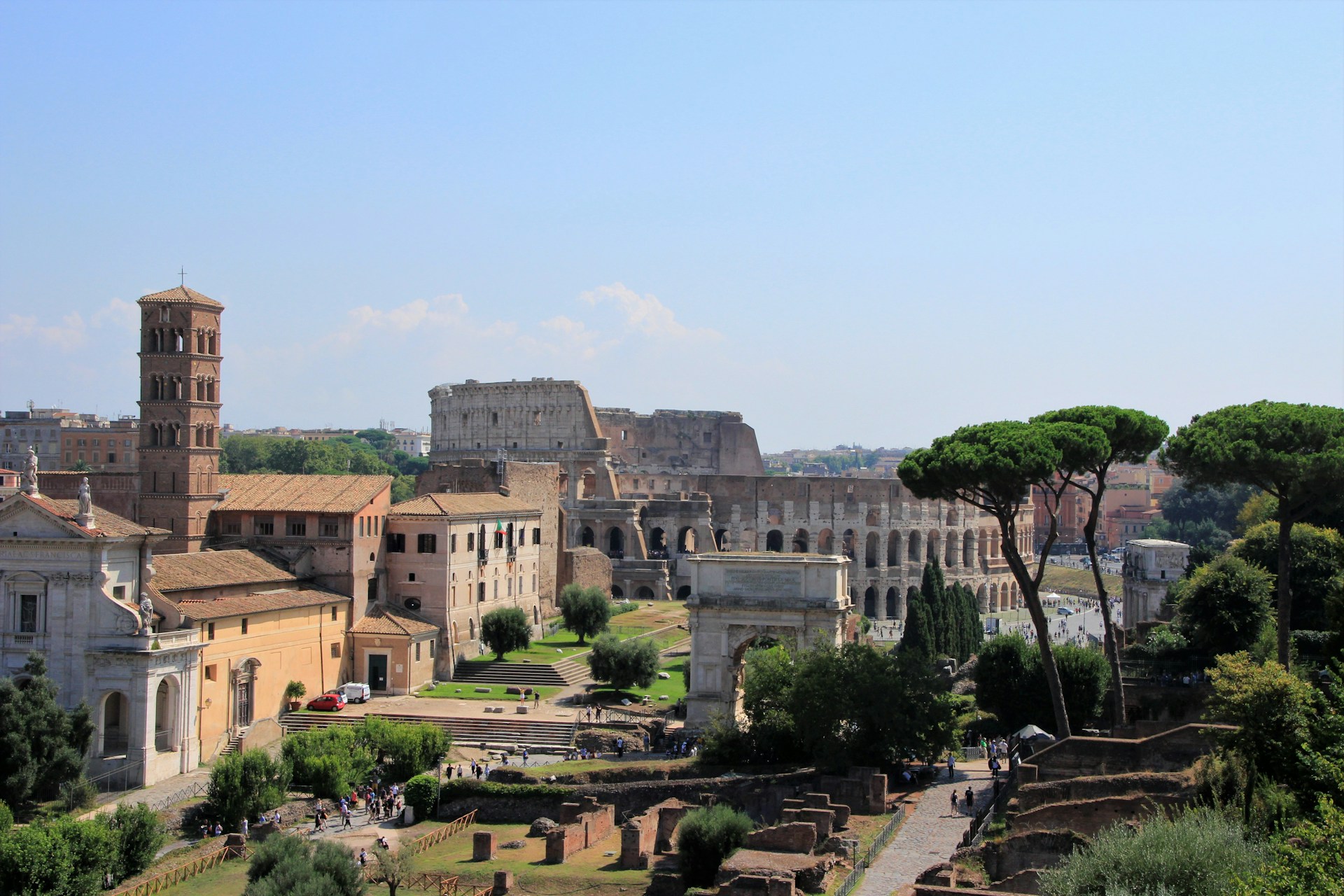
Standing between the Colosseum and the Forum, the Arch of Constantine (323 AD) is the best-preserved ancient triumphal arch in Rome — and it's free to view from outside. Built to celebrate Constantine's victory at the Battle of Milvian Bridge, it's actually assembled from pieces of earlier monuments: the Romans recycled everything.

The Colosseum with a guide is a categorically different experience from the Colosseum alone. The building is extraordinary, but without context — what the hypogeum was used for, who the gladiators actually were, how the combat was structured, what the Romans thought about it — you're walking around a large building without understanding what you're seeing.
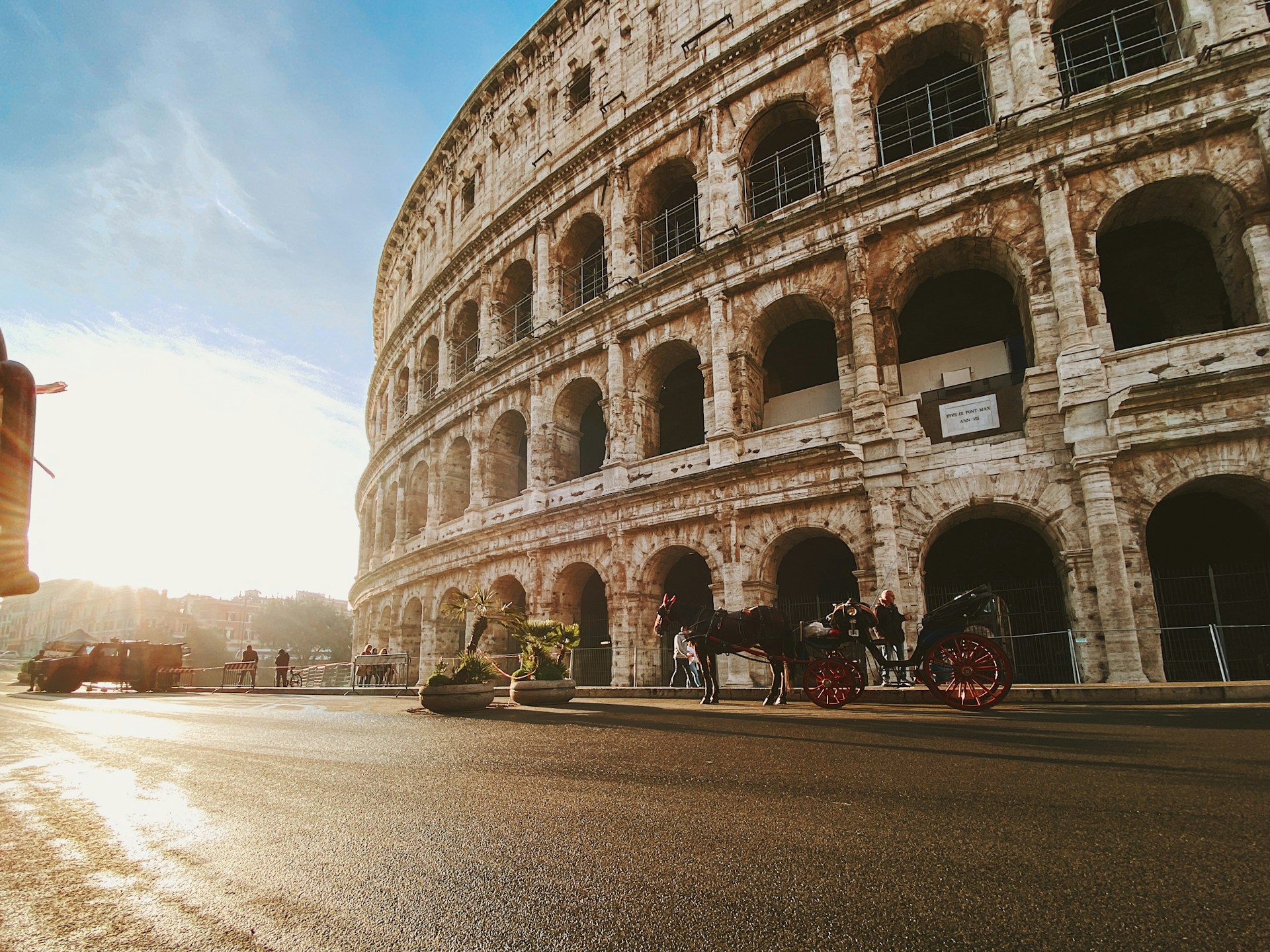
The Colosseum is best visited at 9am (when it opens) for the best light in the Forum below, or late afternoon (from 4pm) when the crowds thin and the evening light is extraordinary. Avoid the midday slot in summer — the marble amplifies heat, the crowds are at their peak, and the light is at its harshest for photography.
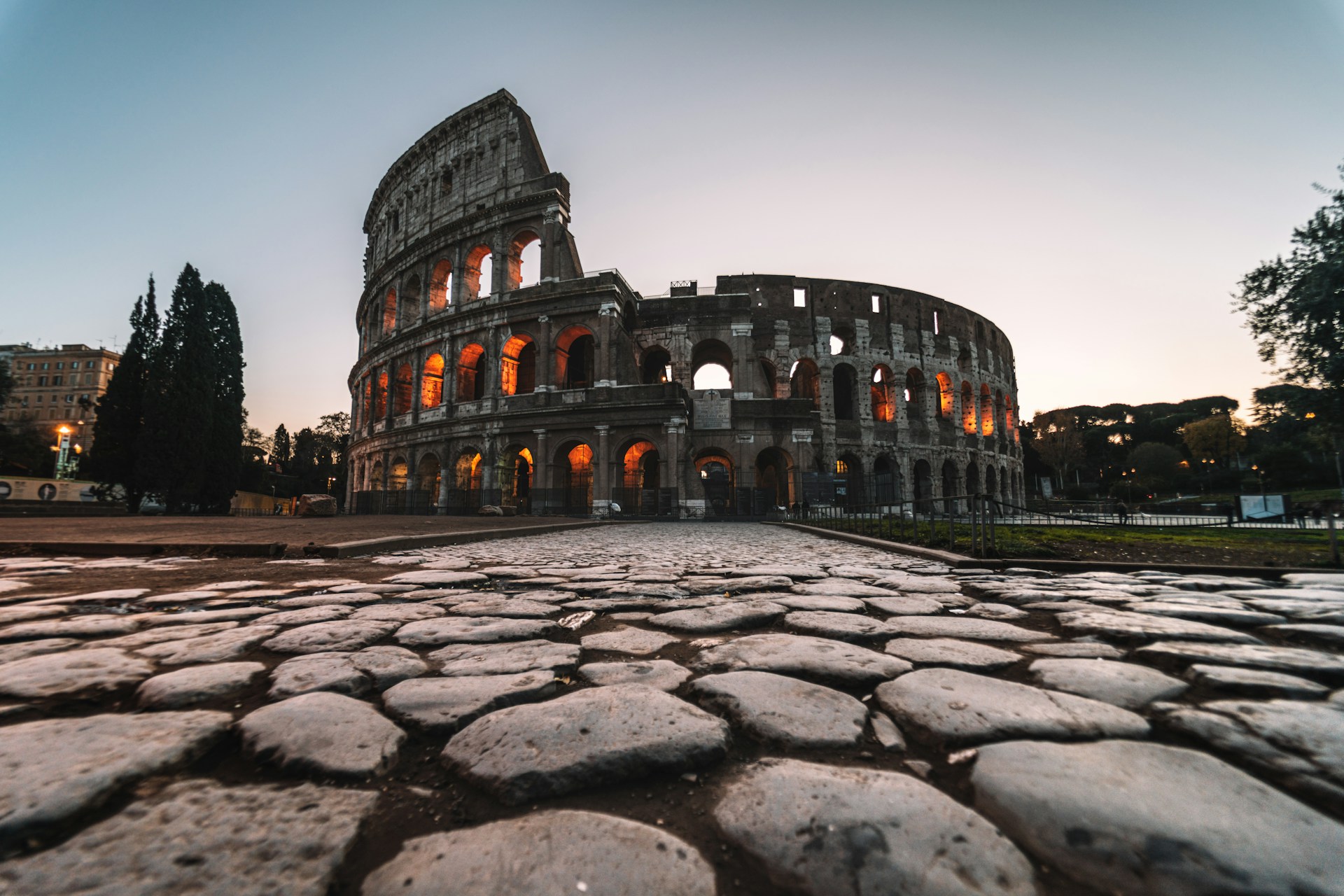
Most visitors spend their time on the seating tiers and miss the most extraordinary part: the hypogeum — the underground network of tunnels, cages, and lifts beneath the arena floor. This is where the gladiators waited, where wild animals were kept in darkness before being winched up through trapdoors into the arena. The hypogeum access requires an add-on ticket.