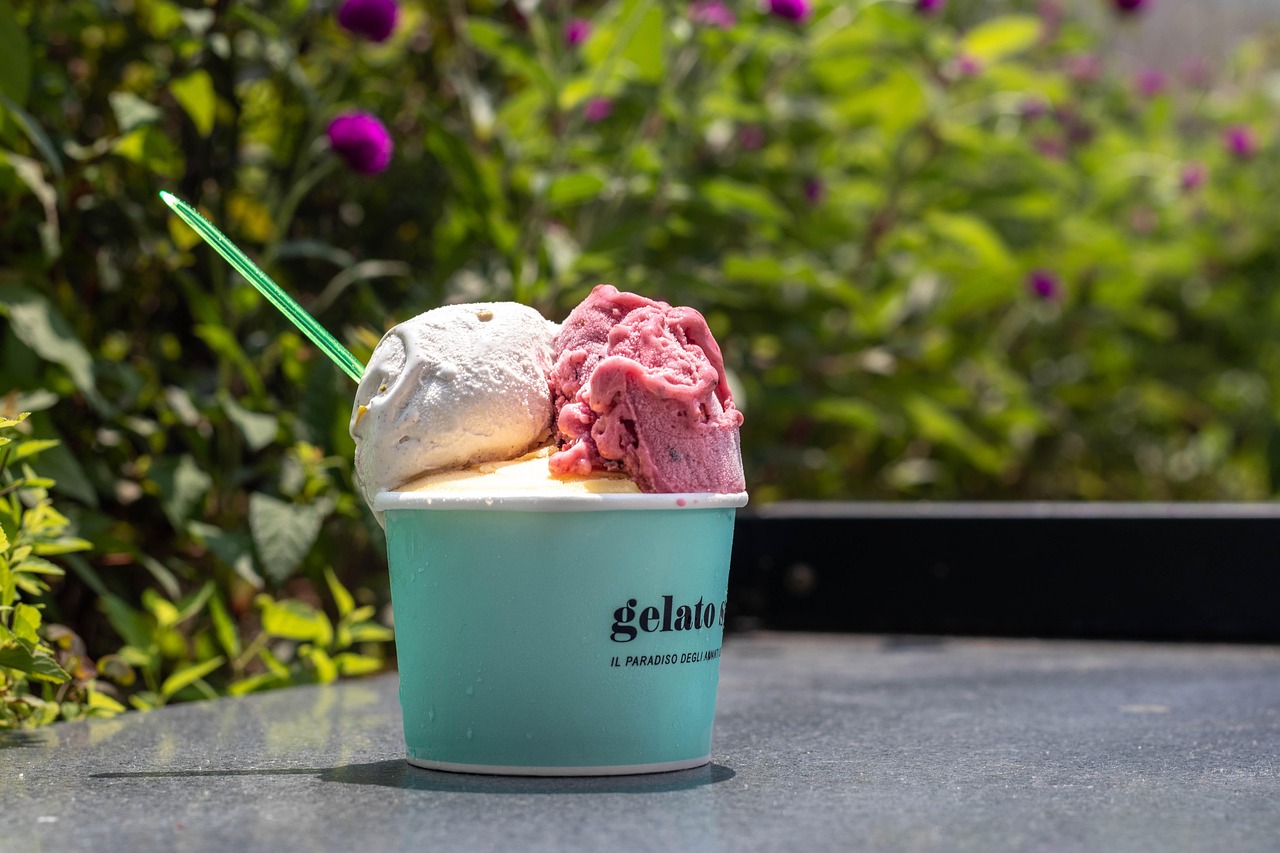
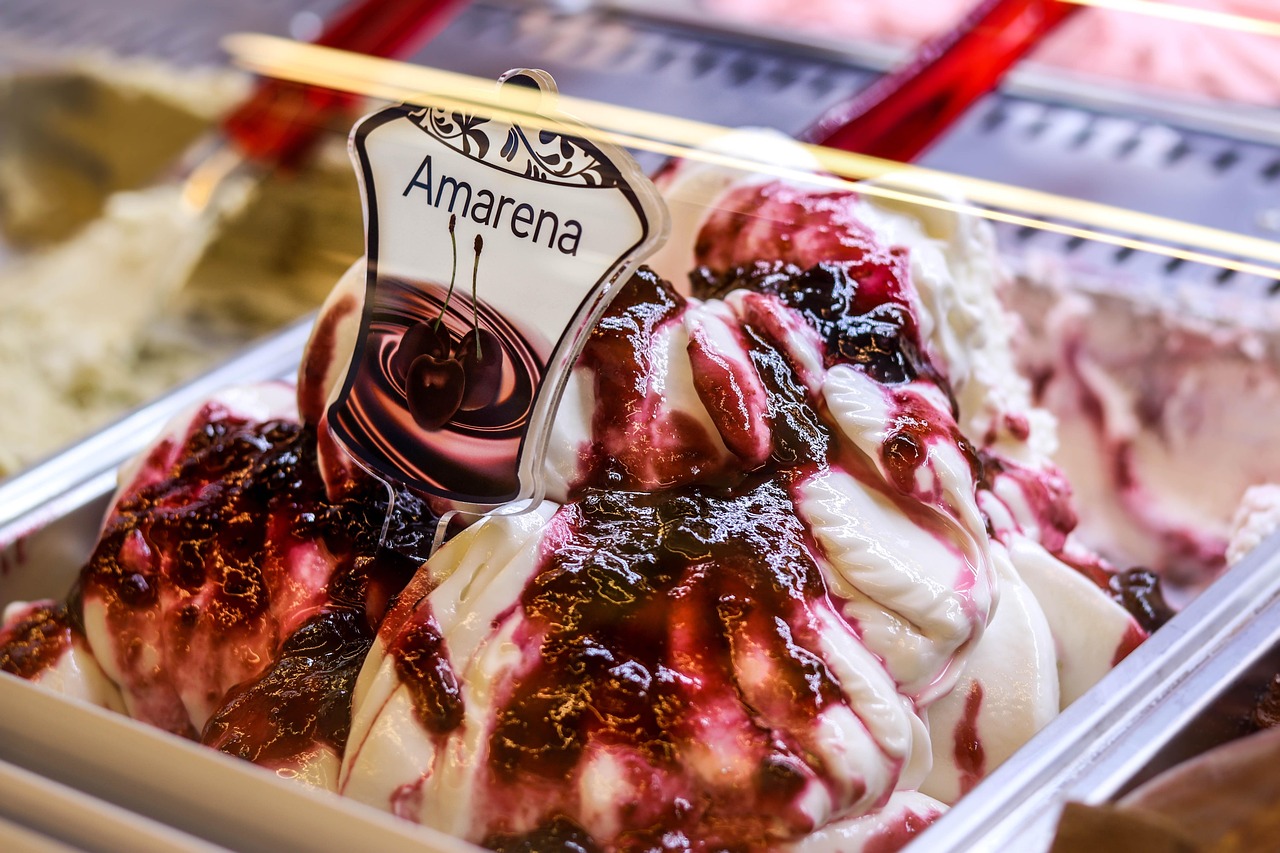
Real gelato — made with fresh milk, seasonal fruit, and no artificial colours — is one of the greatest pleasures Italy offers. In Rome, as in all Italian cities, the tourist gelato and the real gelato exist in parallel, separated by about 200 metres and a completely different taste experience. This is how to tell the difference, and the ten addresses where the real version is made.
The most creative gelateria in Rome — Alberto Manassei makes flavours that nobody else makes: basil and walnuts, violet and liquorice, rose and cardamom, tomato and basil. All gluten-free, all made with the highest quality ingredients. The original address is in the Prati neighbourhood near the Vatican; there are now several locations across Rome.
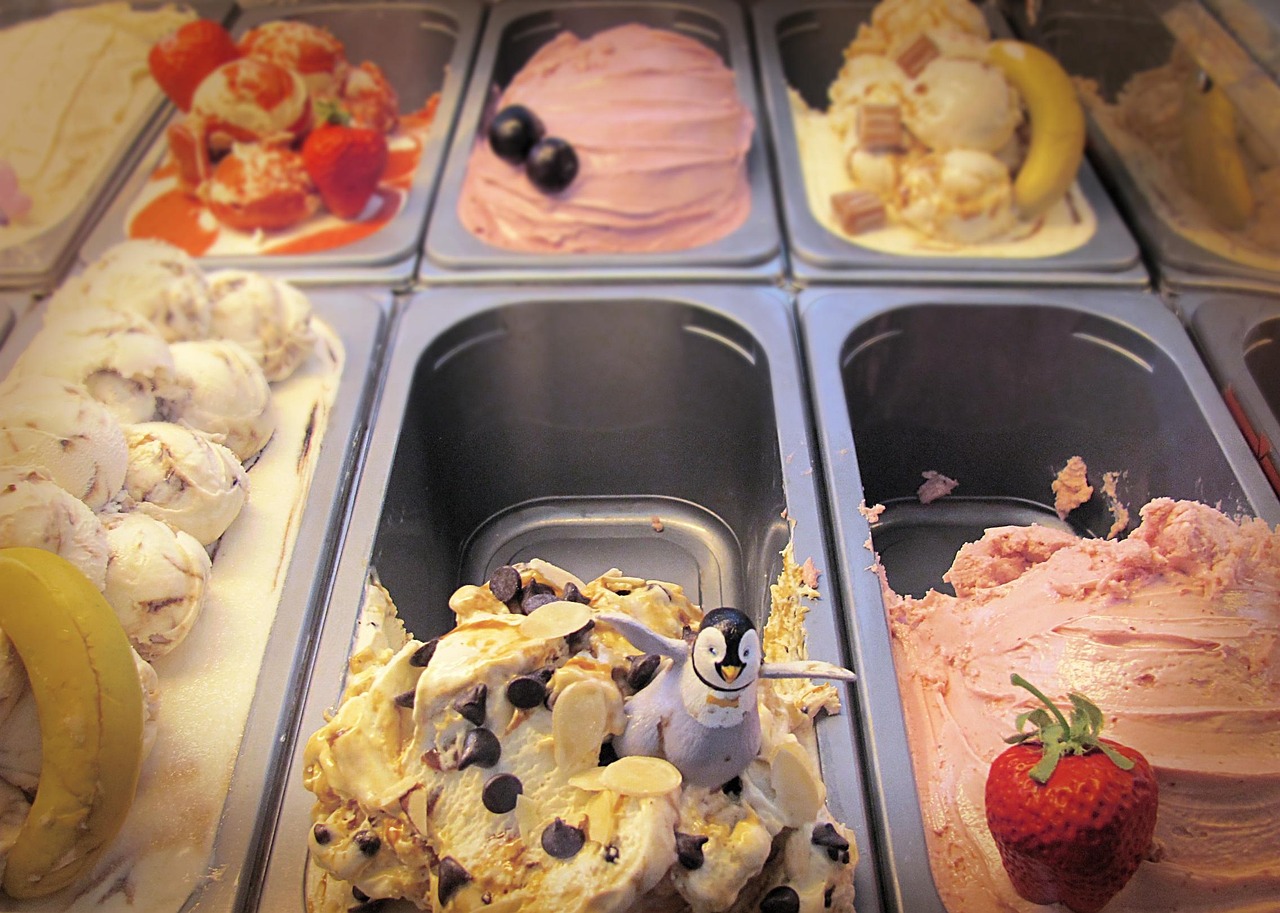
The finest traditional gelateria in Prati — dei Gracchi has been making gelato since 1995 with an unwavering commitment to quality and seasonal ingredients. The pistachio is made with genuine Sicilian pistachios, the hazelnut with Piedmontese trevigiane, the chocolate with Valrhona. The most technically accomplished classic gelato in Rome.
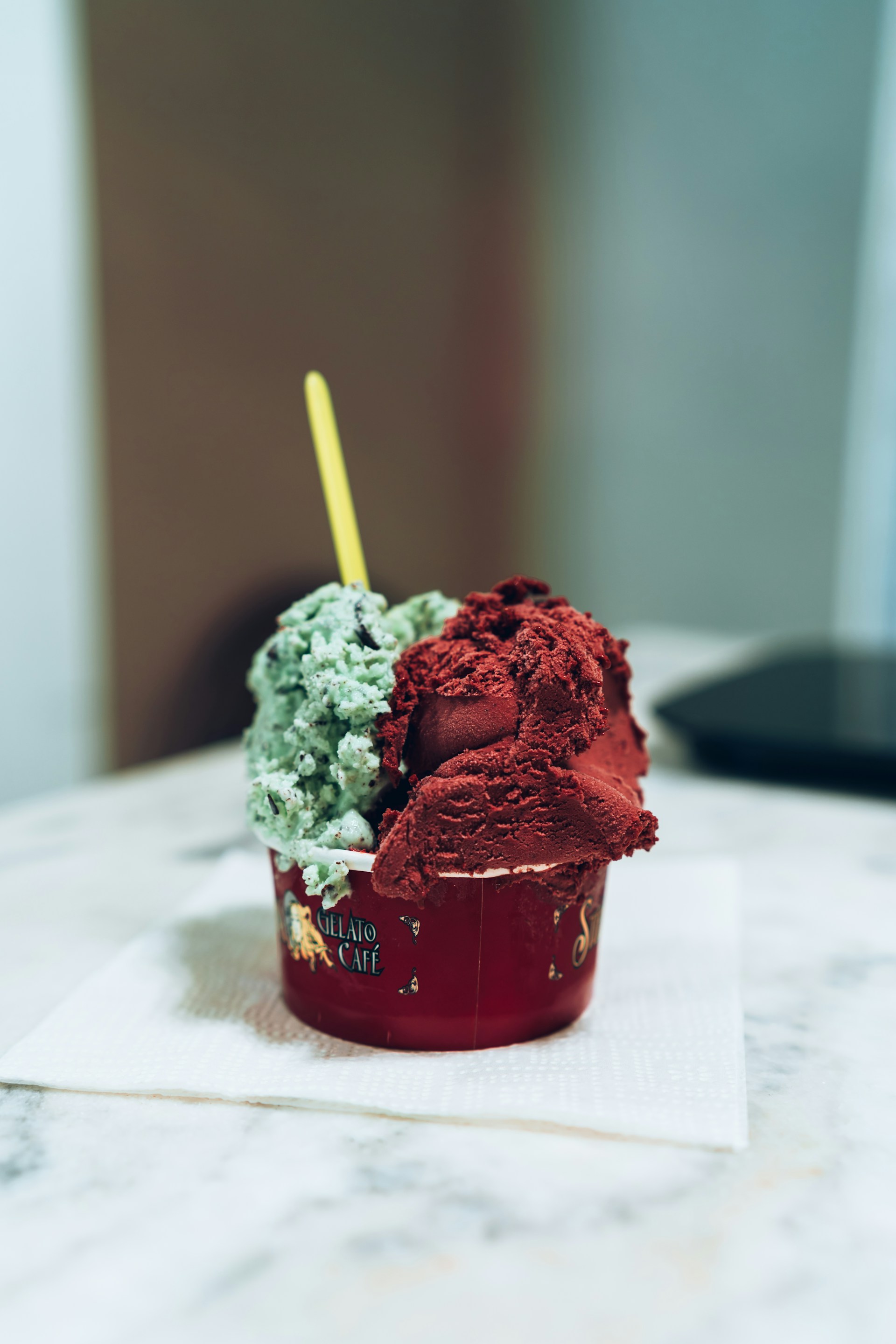
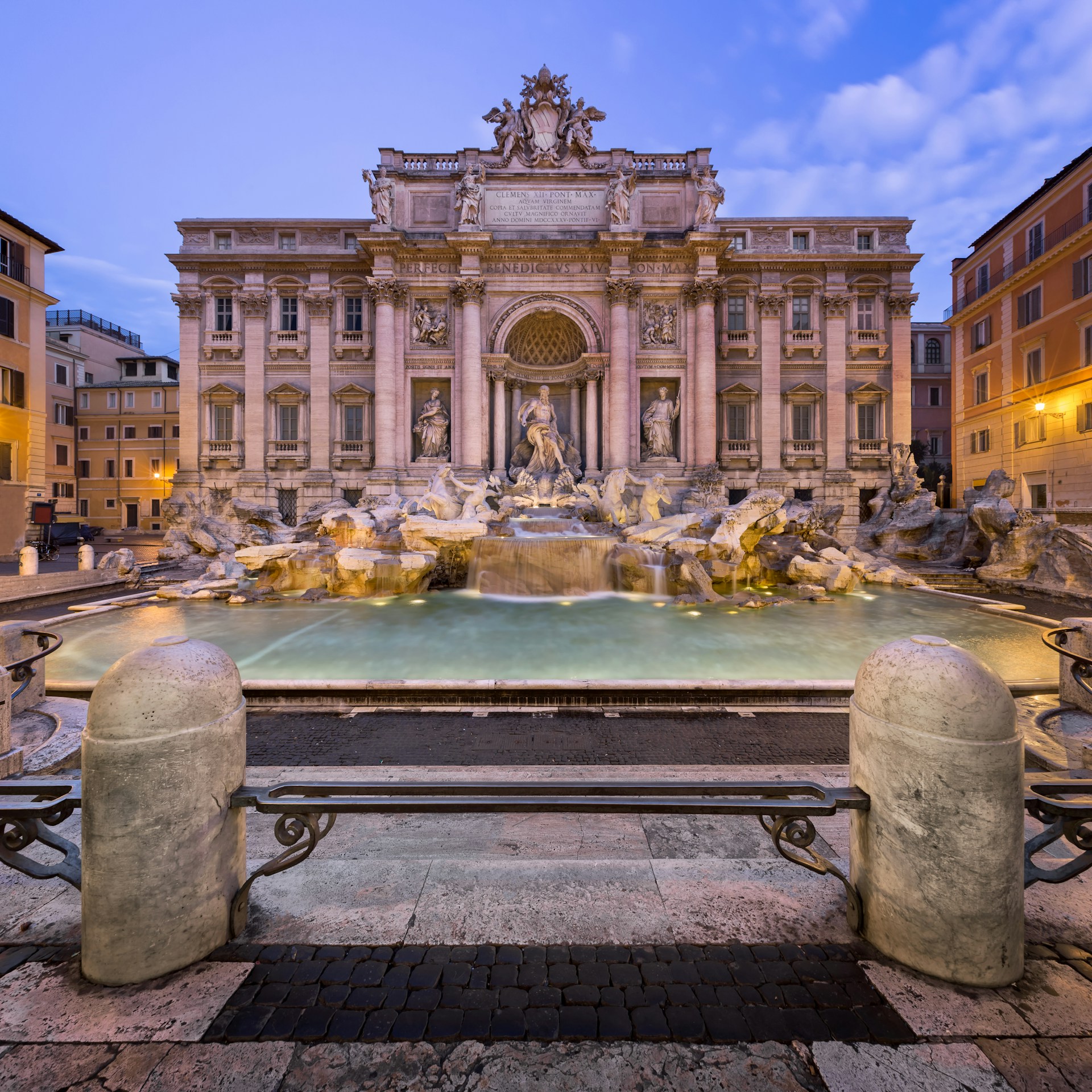
One of the most celebrated gelaterias in Rome — San Crispino serves gelato only in cups (never cones, which they argue compromise the taste) and makes flavours of extraordinary purity. The meringue gelato and the honey varieties are the most distinctive. Steps from the Trevi Fountain but genuinely excellent rather than tourist quality.
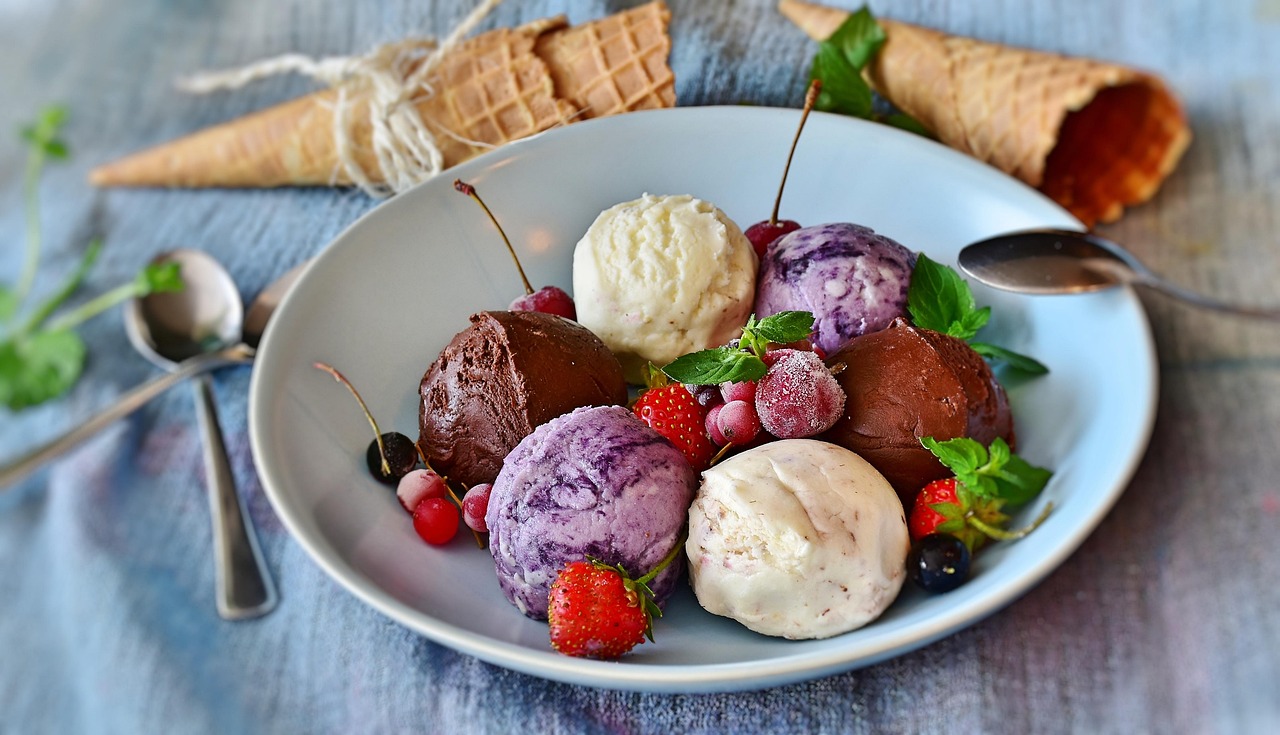
Otaleg (gelato spelled backwards — Marco Radicioni's way of saying he does everything differently) is one of the most talked-about gelaterias in Rome. The flavours change daily based on what's best at the market. The pistachio with sea salt is one of the most discussed gelato flavours in Italy. Small, bustling, and completely genuine.
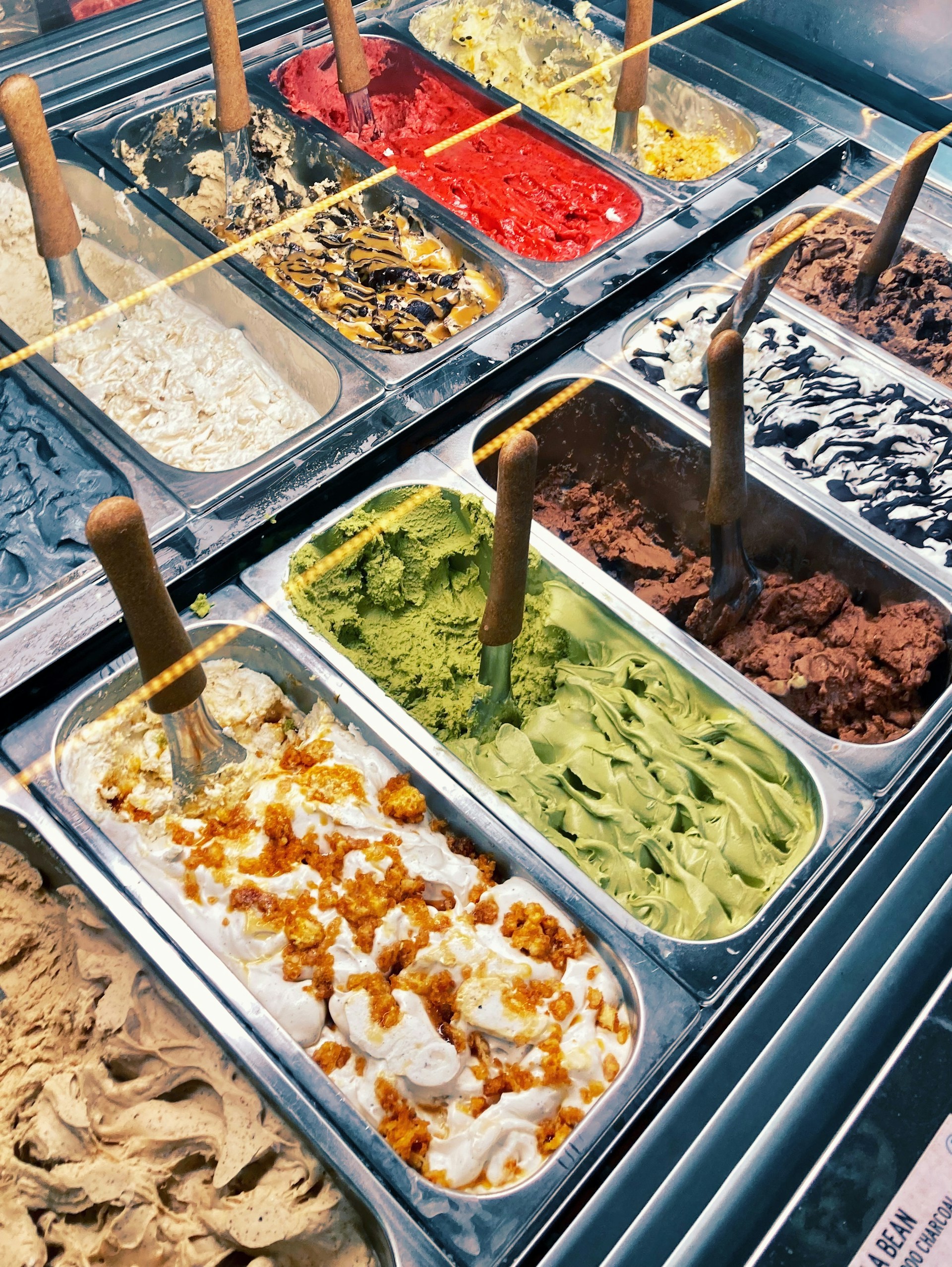
The finest soft gelato in Rome — a style made with ultra-fresh milk and no stabilisers, which gives it a completely different texture to standard gelato: lighter, more delicate, melting immediately. Come il Latte changes its flavours daily based on seasonal produce. The strawberry in spring and the fig in September are extraordinary.
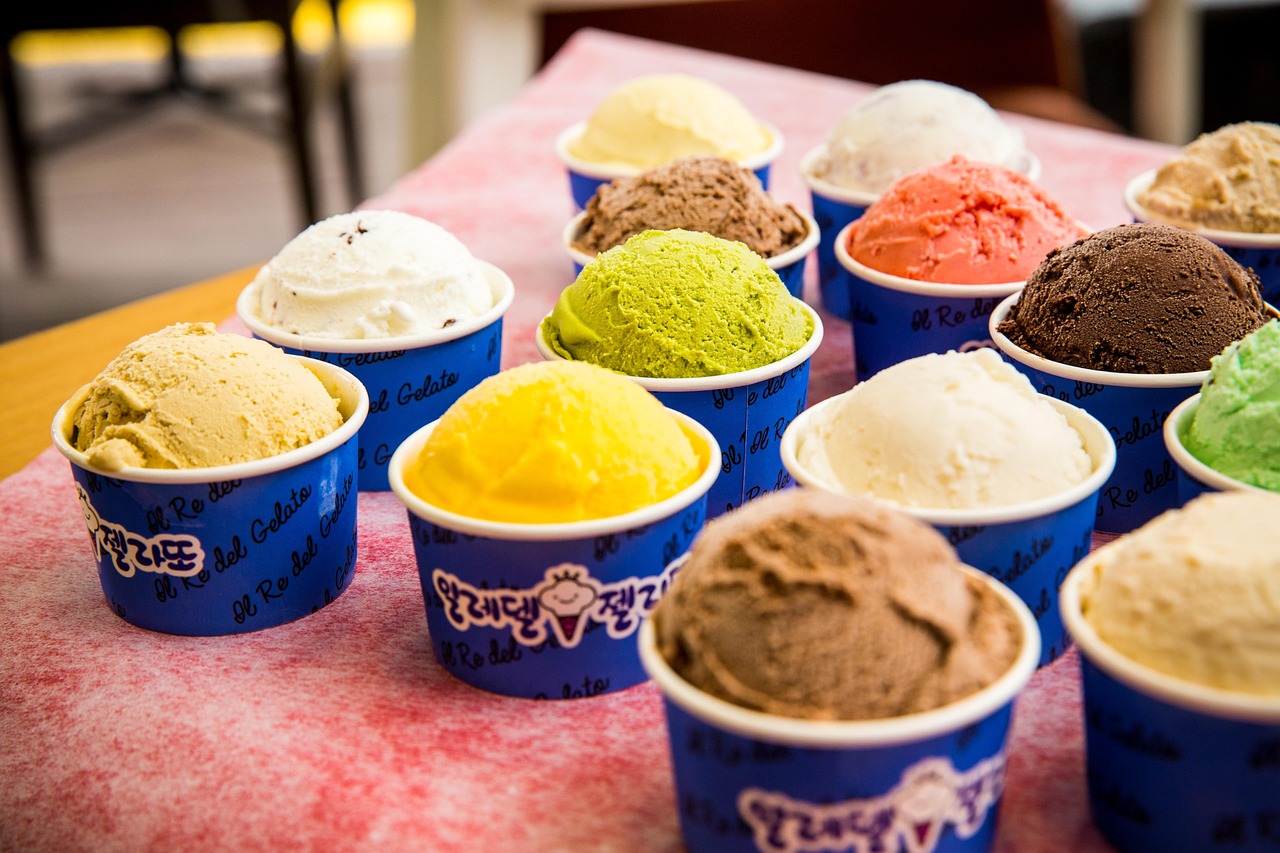
Rome's most historic gelateria — Giolitti has been making gelato since 1900, in the same family, with the same commitment to quality. The address near the Pantheon is a Roman institution: the coppa Giolitti (a selection of 5 flavours in a cup) is what generations of Romans have ordered after Sunday lunch. Classic, reliable, and genuinely excellent.
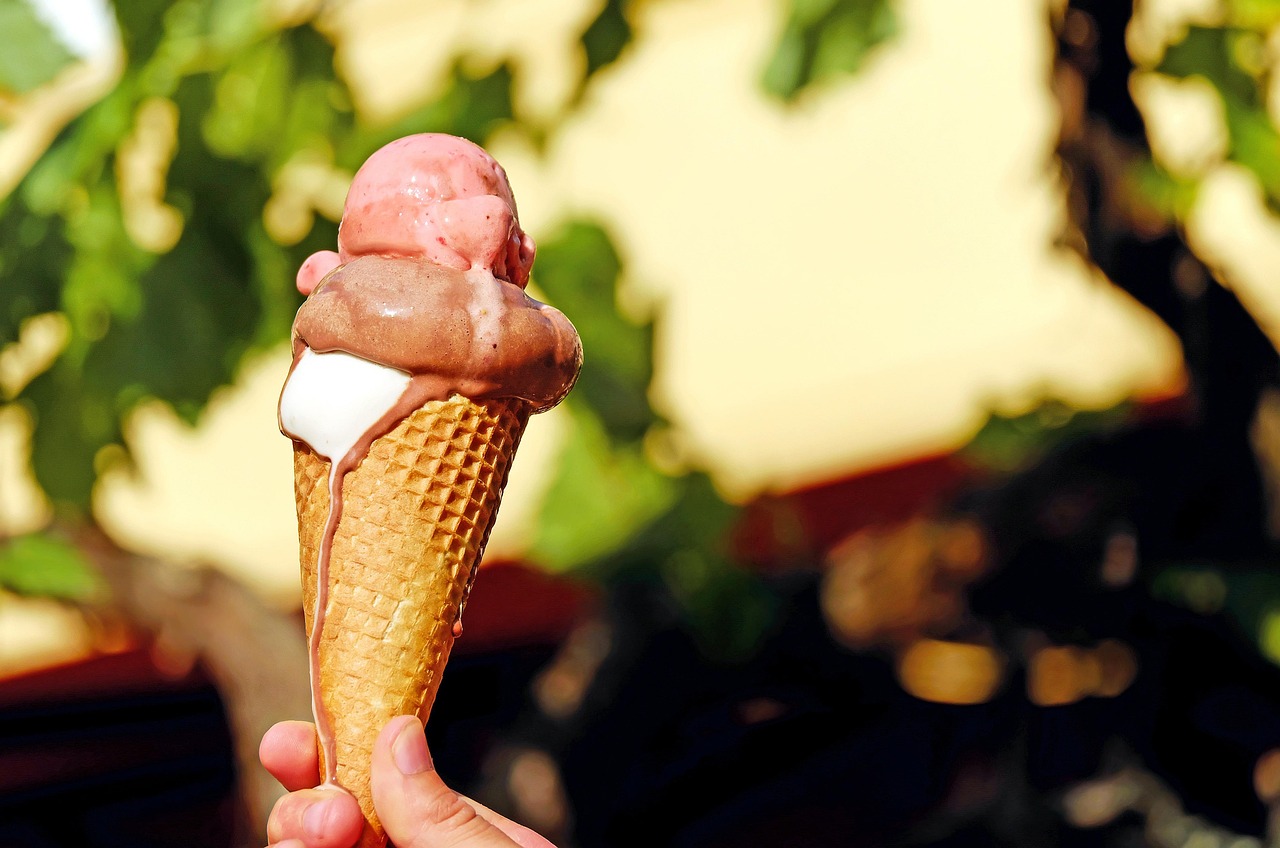
In the residential Parioli neighbourhood — far from the tourist circuit and completely worth the detour — Neve di Latte makes gelato of extraordinary quality using milk from a single farm in Lazio. The flavour of the milk itself is part of the taste: you can tell exactly how fresh it is. The fior di latte here is the benchmark.
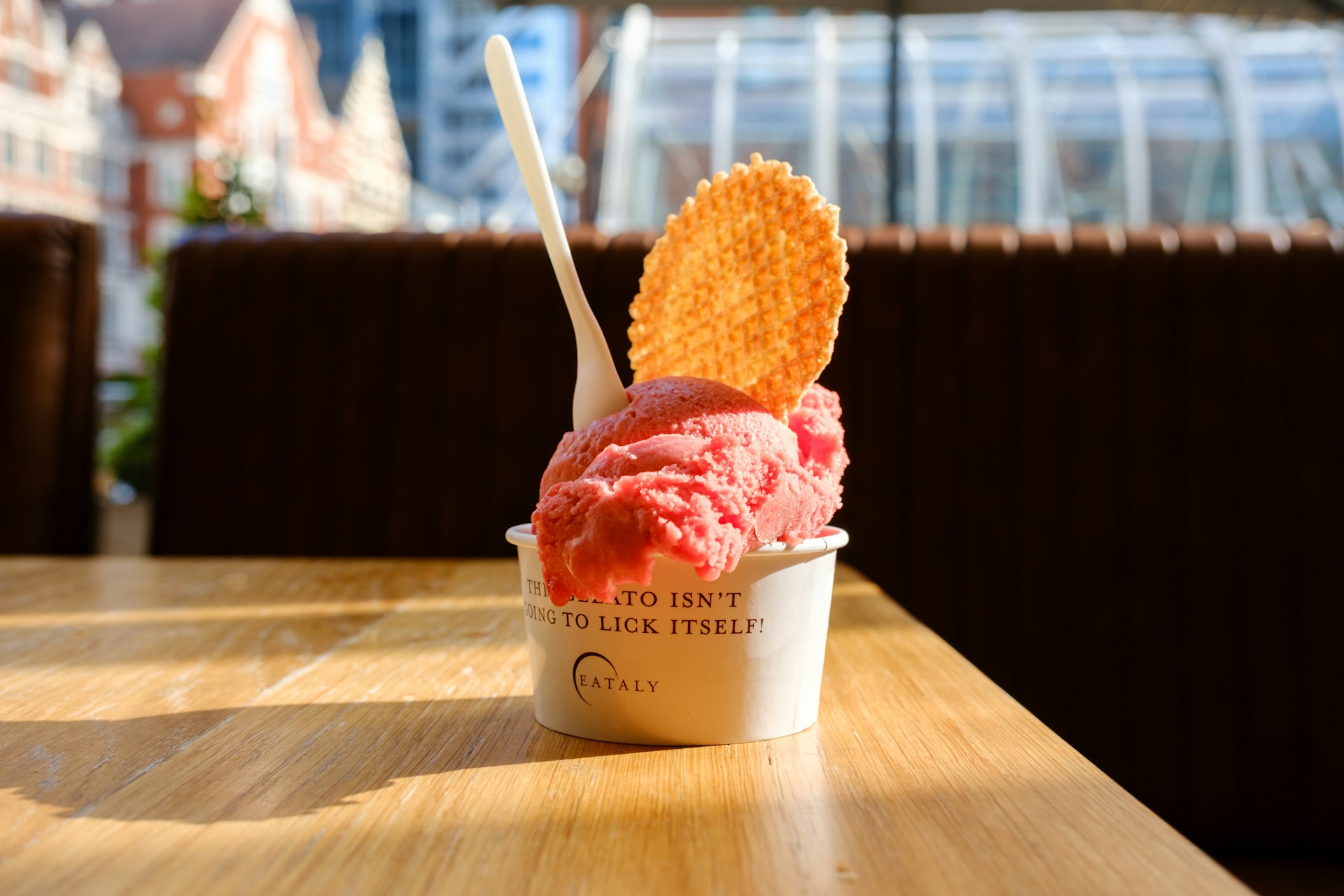
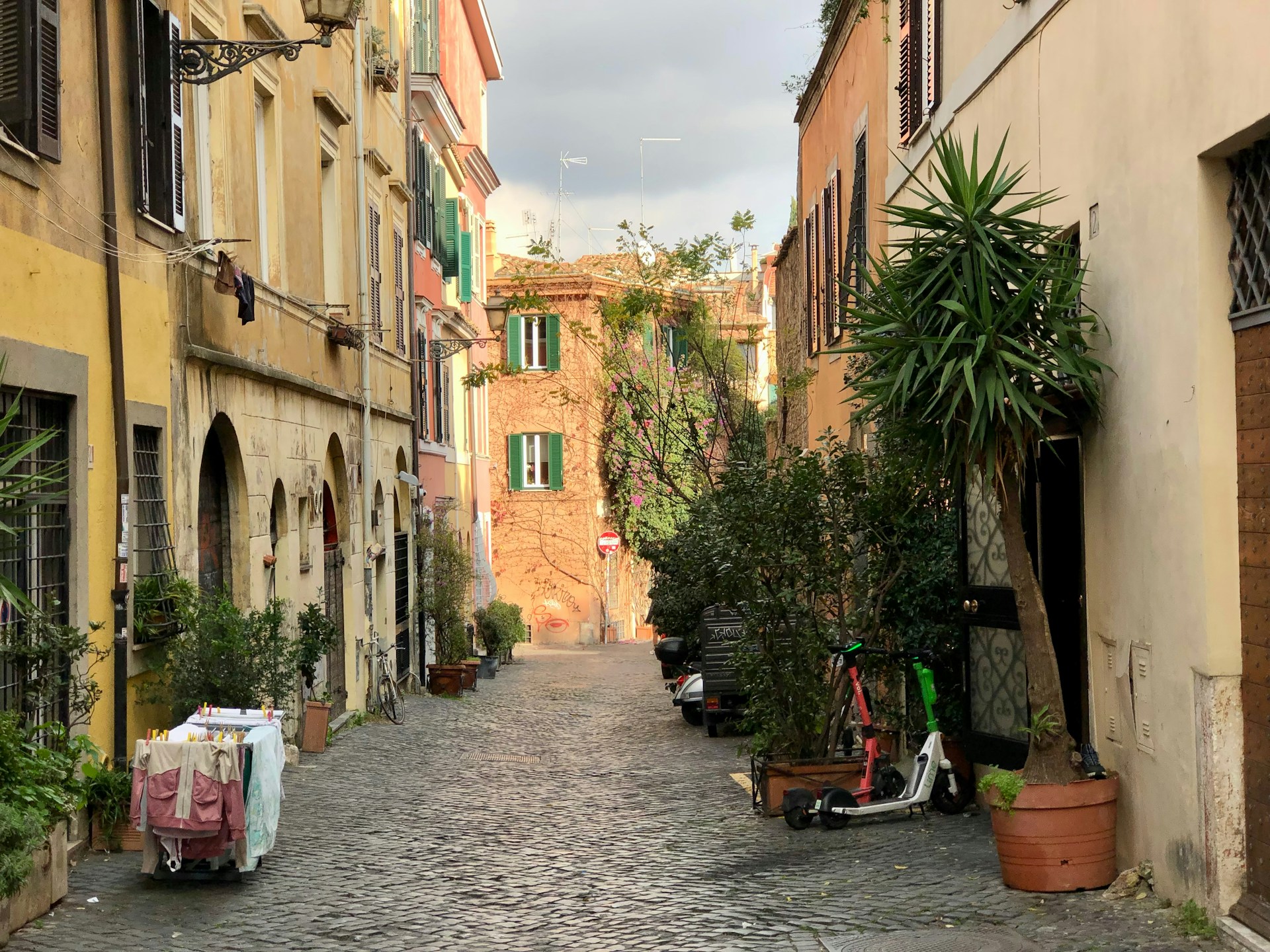
A family-run gelateria in Trastevere that has been making natural gelato for decades — no artificial colours, no additives, seasonal fruit only. The bright natural colours (the pistachio is genuinely green, the strawberry genuinely pink) are the sign of real gelato. The ricotta and fig flavour is unique to this address.
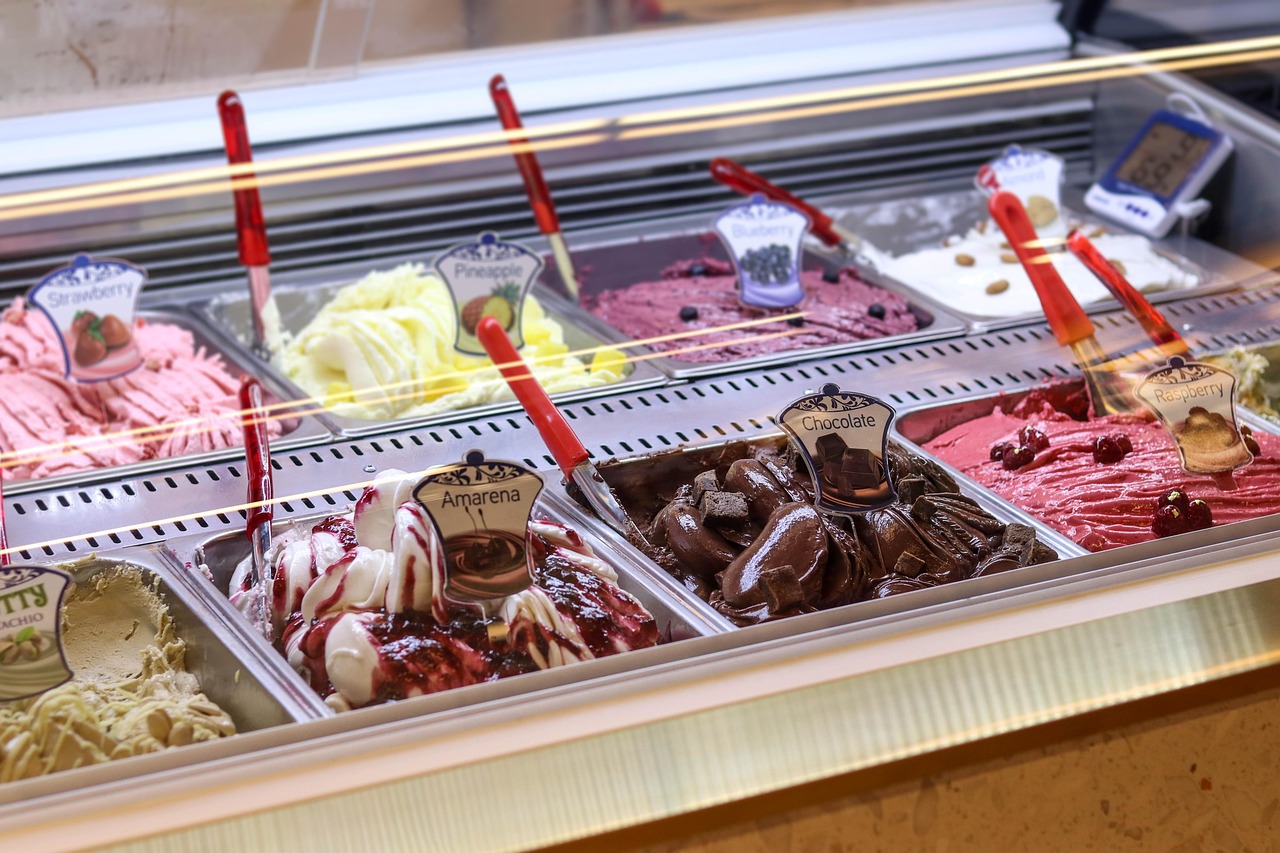
The largest gelateria in Rome — Della Palma makes over 150 flavours, which sounds like too many but each is made with genuine quality. The address near the Pantheon makes it unavoidably touristy, but the gelato itself is honest and well-made. The range means you will find your exact preference, and the prices are fair for the location.
Steps from Piazza Navona — Gelateria del Teatro makes small-batch gelato with genuinely creative flavour combinations: sage and pine nut, rosemary and olive oil, cinnamon and pear. The space is small and beautiful; the gelato is outstanding. A perfect stop before or after visiting Piazza Navona and the Pantheon.